

Introduction
Tesla, Inc. has emerged as a trailblazer in the automotive industry, transforming the perception and viability of electric vehicles (EVs) on a global scale. Founded in 2003 by Martin Eberhard and Marc Tarpenning, the company gained international recognition under the leadership of CEO Elon Musk, who joined as an investor shortly after its inception.
Musk’s vision extended beyond merely selling cars; he aimed to redefine the transportation landscape through sustainable energy solutions, emphasizing that EVs could be not only eco-friendly but also high-performance and desirable. This commitment has fuelled Tesla’s growth and innovation, enabling it to capture a significant share of the automotive market.
Tesla’s rise is not just a story of technological advancement but also one of exceptional marketing and branding strategies. While traditional automakers relied heavily on established advertising channels and dealership networks, Tesla adopted a novel approach. It leveraged social media, direct-to-consumer sales, and a strong community focus to create a unique market position. This case study delves into how Tesla’s innovative marketing and branding have revolutionized the automotive industry, driving consumer interest and establishing a cultural phenomenon.
Background
Tesla was founded during a pivotal moment when the automotive industry faced increasing pressure to address environmental concerns and the impending exhaustion of fossil fuels.
In the early 2000s, the perception of electric vehicles was largely negative; they were considered underpowered, impractical, and lacking in style. Recognizing this gap, Tesla set out to create a new narrative around electric vehicles—one that combined high performance, cutting-edge technology, and sustainability.
Key Milestones:
2008: Tesla Roadster Launch
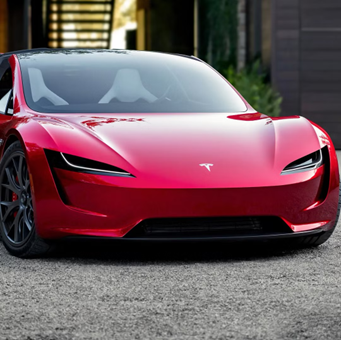
- Tesla launched its first vehicle, the Tesla Roadster.
- High-performance electric sports car showcasing EV technology.
- Accelerated from 0 to 60 mph in 3.7 seconds.
- Featured innovative lithium-ion battery technology with a range of 245 miles.
- Demonstrated that electric vehicles could compete with gas-powered cars.
2012: Model S Introduction
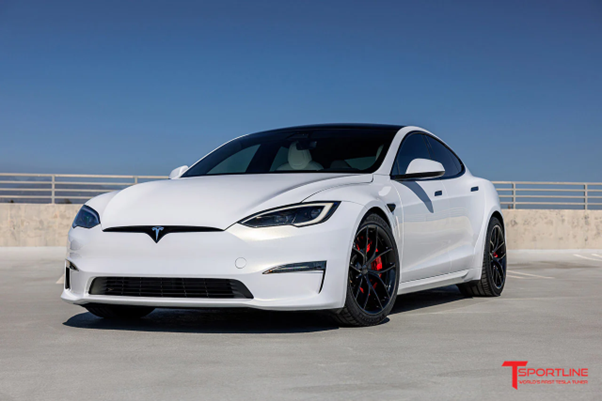
- Launch of the Model S, a luxury sedan that marked a significant turning point for Tesla.
- Received widespread acclaim for its design, performance, and safety features.
- Won numerous awards, including the 2013 Motor Trend Car of the Year.
- By the end of 2021, over 1 million Model S units sold, establishing Tesla as a legitimate competitor in the automotive sector.
2015: Model X and Model 3
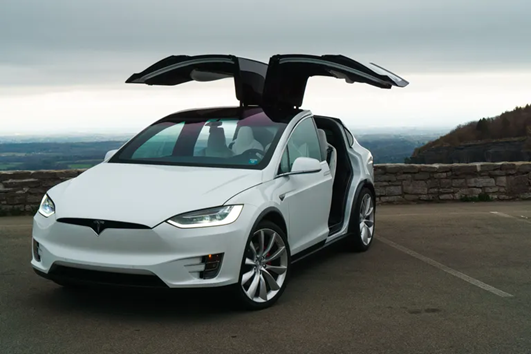
- Introduction of the Model X, an SUV with distinctive falcon-wing doors, enhancing Tesla’s reputation for innovation.
- Announcement of the more affordable Model 3 aimed at making electric vehicles accessible to a broader audience.
- Reinforced Tesla’s commitment to sustainability and set the stage for mass EV adoption.
- By 2022, Model 3 sales exceeded 1 million units, significantly contributing to Tesla’s overall sales growth.
Market Positioning
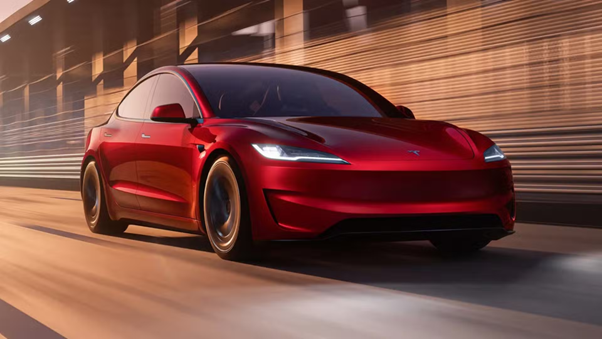
Unlike traditional automakers, Tesla positioned itself as a tech company rather than merely an automotive manufacturer. This approach focused on innovation, sustainability, and a premium experience, differentiating Tesla from its competitors and appealing to a new generation of consumers.
Disruptive Marketing Strategies
Direct-to-Consumer Sales Model:
Tesla disrupted the traditional dealership model by selling directly to consumers through its website and company-owned showrooms. This allowed for a more personalized buying experience and reduced costs associated with intermediaries, resulting in a 10% lower price on average compared to traditional car sales.
Utilization of Social Media:
Elon Musk leveraged social media platforms, particularly Twitter, to communicate directly with customers and fans. His tweets often serve as announcements, marketing campaigns, and product reveals, creating a sense of community and urgency. For instance, a single tweet from Musk about the Cybertruck garnered over 700,000 interactions within hours.
Limited Traditional Advertising:
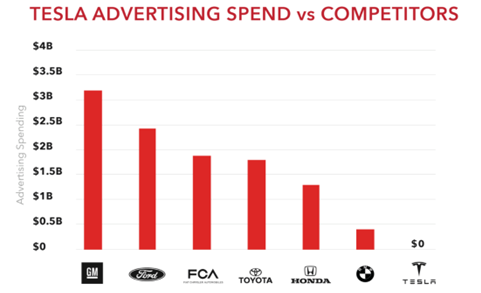
Tesla’s marketing strategy involves minimal traditional advertising. Instead, the company invests in public relations and word-of-mouth marketing, leading to a Net Promoter Score (NPS) that consistently ranks higher than traditional automakers, reflecting strong customer loyalty.
Creating a Brand Lifestyle:
Tesla positions itself as a lifestyle brand associated with innovation, sustainability, and luxury. By promoting not just cars but a vision for a sustainable future, Tesla appeals to environmentally conscious consumers and tech enthusiasts, creating a community of passionate supporters.
Community Engagement and Events:
Tesla hosts events like the “Tesla Model 3 Unveil” and “Tesla Battery Day,” which draw media attention and engage potential customers. These events create excitement and provide a platform for consumers to experience the brand firsthand, fostering a strong emotional connection to the company.
Referral Program:
The referral program incentivizes current Tesla owners to refer friends and family, rewarding loyal customers and utilizing personal networks for marketing. This approach enhances trust and credibility, as recommendations from friends and family are highly valued.
Branding Strategies
Innovative Product Design:
Tesla’s vehicles are known for their sleek designs and advanced technology. The Model S, Model 3, Model X, and Model Y are not just cars; they represent a shift in automotive engineering, blending performance with sustainability and setting new industry standards.
Focus on Technology:
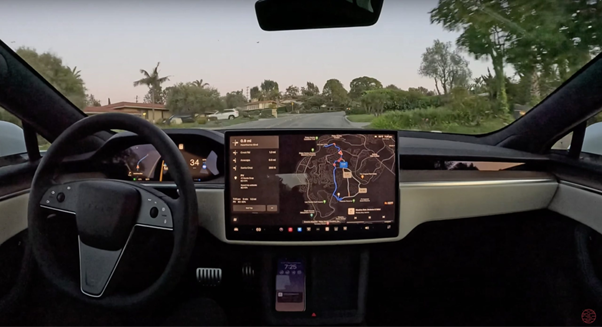
Tesla’s branding emphasizes cutting-edge technology, including autopilot features, over-the-air software updates, and advanced battery technology. This focus positions Tesla as a leader in automotive innovation, appealing to tech-savvy consumers.
Customer-Centric Approach:
Tesla prioritizes customer feedback, using it to inform product development and improve user experience. This customer-centric approach builds loyalty and trust, encouraging customers to advocate for the brand and share their positive experiences.
Sustainability as a Core Value:
Tesla’s commitment to sustainability resonates with consumers increasingly concerned about environmental issues. The brand narrative revolves around reducing carbon footprints and promoting renewable energy, reinforcing its identity as a pioneer in sustainable transportation.
Celebrity Endorsements and Influencer Collaborations:
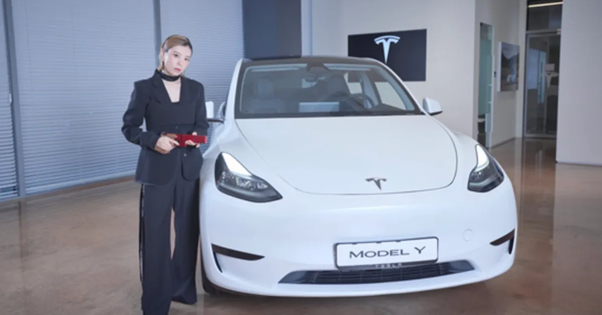
Musk’s celebrity status and connections have resulted in organic endorsements from influential figures, amplifying Tesla’s visibility and appeal among various demographics. This has contributed to Tesla becoming a cultural icon, representing the future of transportation.
Challenges Faced:
- Production Delays: Struggled with ramping up production to meet growing demand for electric vehicles.Experienced setbacks during the rollout of new models, particularly the Model 3.
- Quality Control Issues: Faced criticism over build quality and reliability in some vehicle models.Addressed customer concerns about manufacturing defects and inconsistent quality.
- Increasing Competition: Traditional automakers entered the EV market, intensifying competition.New entrants and established brands began to develop their own electric vehicle models, challenging Tesla’s market share.
- Regulatory Hurdles: Navigated complex regulations and compliance requirements in various markets.Encountered challenges related to safety standards and environmental regulations.
- Supply Chain Disruptions: Experienced disruptions in the supply chain, affecting production timelines and component availability.Global semiconductor shortages impacted the automotive industry, including Tesla.
- Market Volatility: Faced fluctuations in stock prices and market perception due to external factors.
Navigated public scrutiny and volatility associated with high-profile leadership and business decisions.
Future Outlook
Looking ahead, Tesla plans to expand its product line with new models, such as the Cybertruck and the Tesla Semi. Additionally, the company aims to enhance its battery technology and increase production capacity to meet growing demand. As the global shift toward sustainable energy accelerates, Tesla is well-positioned to remain a leader in the automotive industry.
Results and Impact
Market Leadership: Tesla is now the leading EV manufacturer in the world, with a market share of approximately 60% in the U.S. and significant growth in international markets, particularly in Europe and China.
Sales Growth: Tesla’s annual sales have surged from approximately 500,000 vehicles in 2020 to over 1.31 million vehicles in 2022, demonstrating the effectiveness of its marketing strategies and strong brand loyalty.
Brand Value: In 2021, Tesla was valued at over $800 billion, making it one of the most valuable car manufacturers globally, surpassing traditional automakers like Ford and General Motors. This valuation highlights the effectiveness of its branding and innovation.
Cultural Phenomenon: Tesla has become a cultural icon, representing innovation and the potential for sustainable energy in the automotive sector. Its products are seen not just as vehicles but as symbols of a movement toward a sustainable future.
Conclusion
Tesla’s meteoric rise in the automotive industry exemplifies how innovative marketing and branding strategies can transform a company and an entire industry. Through direct consumer engagement, minimal reliance on traditional advertising, and a steadfast commitment to sustainability, Elon Musk has revolutionized the automotive landscape. As Tesla continues to evolve, its influence on the automotive industry and marketing practices will likely endure, setting new standards for others to follow.
Key Takeaways
Tesla’s disruptive marketing strategies challenge traditional automotive sales models, emphasizing direct consumer relationships and engagement.
The strategic use of social media in Tesla’s branding has cultivated a loyal community, enhancing customer interaction.
By prioritizing sustainability and technological innovation, Tesla resonates deeply with modern consumers, reinforcing its market leadership.
The company’s approach to customer engagement fosters loyalty and advocacy, essential for sustainable growth in today’s competitive landscape.
-

Sri Vidyamanya Vidya Kendra
Workshop Spotlight: “AI for Educators” by Mr. Srinivas Prabhu
Recently, Sri Vidyamanya Vidya Kendra hosted an insightful “AI for Educators” workshop led by renowned expert Mr. Srinivas Prabhu. With a wealth of experience in Artificial Intelligence and its applications in education, Mr. Prabhu shared transformative insights on how AI can revolutionize teaching and learning processes.
This interactive workshop aimed to empower educators by:
- Introducing foundational concepts of AI and its relevance in modern education.
- Demonstrating practical tools and AI-powered platforms to enhance classroom engagement.
- Exploring the role of AI in personalized learning, assessment automation, and curriculum design.
Educators left the session with actionable strategies to integrate AI into their teaching practices, creating more dynamic, inclusive, and future-ready classrooms.
Sri Vidyamanya Vidya Kendra is committed to fostering innovation in education, and workshops like these underscore our dedication to equipping our teachers with cutting-edge knowledge and skills.
Stay tuned for more updates and events that inspire progress in education!
-

Soundhrya School:
Transforming Education: Workshop on “AI for Educators” by Mr. Srinivas Prabhu
Lately, Soundarya School had the privilege of hosting an enlightening workshop titled “AI for Educators,” conducted by the esteemed AI expert Mr. Srinivas Prabhu. The session focused on equipping educators with the knowledge and tools to harness Artificial Intelligence for enhancing teaching methodologies and student engagement.
Mr. Prabhu shared valuable insights into the practical applications of AI in education, including personalized learning experiences, automated assessments, and innovative classroom management techniques. The workshop struck a perfect balance between theory and hands-on demonstrations, making it both engaging and highly practical for the attendees.
The feedback from educators was overwhelmingly positive, with participants praising the clarity of concepts, the relevance of AI tools showcased, and Mr. Prabhu’s ability to make complex ideas accessible. Teachers expressed their enthusiasm to incorporate AI into their classrooms and appreciated Soundarya School’s initiative in bringing this transformative learning opportunity to their doorstep.
This workshop reaffirmed Soundarya School’s commitment to fostering innovation and empowering its educators with cutting-edge knowledge to prepare students for the future. Stay connected with us for more updates on our progressive endeavors!
-
ResourcesShreeram2022-08-15T15:51:43+00:00