


Apple’s marketing has set a standard for other brands aspiring to achieve similar levels of recognition and financial success. Whether you are a leading content marketing agency or involved in software services or products, there are valuable marketing insights to glean from Apple.
How Apple Leverages Digital Marketing
Apple stands out as one of the most prominent technology brands of our era, signifying that they have successfully implemented effective strategies to gain worldwide recognition. Their digital marketing approach revolves around cultivating a robust brand identity and engaging consumers through diverse channels. The company prioritizes an exceptional user experience across all platforms, including its website, applications, and social media channels. Their content consistently exhibits visual appeal, ease of navigation, and is optimized for a variety of devices.
Renowned for its innovative products, Apple’s digital marketing strategy mirrors this ethos. The company employs advanced technologies like augmented reality (AR) and virtual reality (VR) to create engaging and immersive experiences for its audience.
Apple’s digital marketing frequently seeks to resonate with the emotions of its consumers. For instance, the “Shot on iPhone” campaign emphasizes the emotional ties individuals have to their photographs and how Apple’s technology enables them to capture significant moments. Additionally, the brand effectively utilizes storytelling to connect with its audience and convey its core values. An example of this is the “Privacy on iPhone” campaign, where storytelling was employed to highlight Apple’s commitment to safeguarding user privacy and security. Below, we will delve deeper into Apple’s various digital marketing campaigns and strategies.
Apple’s B2B Strategy
Apple’s B2B strategy is founded on its reputation for quality, dependability, and security. By offering products and services tailored to business needs, Apple positions itself as a crucial player in the enterprise market, generating revenue from corporate clients.
A key aspect of Apple’s B2B strategy involves the creation of specialized hardware and software solutions designed to meet the unique requirements of businesses. This encompasses enterprise-grade versions of Apple’s products, including the iPhone, iPad, and Mac, as well as software solutions such as macOS Server and Apple Business Manager.
Moreover, the company collaborates with third-party developers and solution providers to offer a variety of business-centric applications and services available on the App Store. Apple also provides an array of training and certification programs for IT professionals, equipping them to effectively implement and manage Apple products within their organizations.
While we adore its products, we also admire how Apple produces visually captivating and emotionally resonant advertisements that highlight the distinctive features and advantages of its offerings. The company’s advertising typically showcases sleek, minimalist designs, emphasizing the product itself and its functionalities. Apple’s advertising campaigns frequently utilize storytelling to forge an emotional connection with consumers. They have earned a reputation for crafting memorable, engaging, and thought-provoking ads, such as the iconic “Think Different” campaign featuring luminaries like Albert Einstein and Mahatma Gandhi. Additionally, a crucial aspect of Apple’s advertising strategy is its focus on product launches and events, generating substantial buzz and media coverage with meticulously planned product unveilings, such as the annual introduction of new iPhones.

Apple’s content marketing approach centers around producing high-quality, informative, and engaging content that showcases the features and benefits of their products while offering value to consumers. The company’s website is replete with resources and information about its products, including detailed descriptions, user guides, and video tutorials. In addition to its website, Apple employs various content marketing channels to reach consumers, such as social media, email marketing, and podcasts. The company’s social media presence features a blend of product-oriented content, including demonstrations and announcements, alongside lifestyle content that illustrates how Apple products enhance customer experiences.
Social Media Strategy of Apple
Apple’s social media accounts showcase high-quality images and videos that present their products in a visually striking manner, underscoring their features and benefits. An essential element of the brand’s social media strategy is its collaboration with social media influencers and partnerships. The company often teams up with popular influencers and celebrities to promote its products, thereby broadening its reach and enhancing brand recognition.
Apple Marketing Case Studies
Now we delve into the exciting part! Apple has a unique approach to creating diverse case studies and advertising campaigns that are always a delight to experience. Below are some inspiring examples of Apple’s marketing case studies:
iPod Launch
Remember the iPods? These devices were our go-to for music when smartphones weren’t prevalent. When Apple introduced the iPod in 2001, the brand concentrated on generating excitement and anticipation around the product. They accomplished this through sleek, eye-catching design, offering various customization options, and collaborating with popular musicians for promotion. The launch was undoubtedly a resounding success, with the iPod becoming one of Apple’s most successful products to date.
iPhone Launch
For many, the emotional bond with Apple products is particularly strong, especially with the iPhone. When Apple launched the iPhone 3G in 2007, the emphasis was on creating a simple, user-friendly design that was intuitive. They executed a highly effective advertising campaign showcasing the device’s unique features, such as the touchscreen interface and the ability to browse the web and check email on the go. Do you even remember a time when browsing the internet was a new thing?
The launch was a tremendous success, with the iPhone subsequently emerging as one of the world’s most popular smartphones.
Examples of Apple’s Digital Marketing Techniques
The brand owes its success to a robust marketing team that has crafted effective marketing techniques for Apple. Key factors contributing to Apple’s triumph include their focus on creating visually striking and highly functional products, providing a seamless and engaging user experience, and leveraging impactful marketing campaigns and partnerships. Below are several ways Apple approaches its products and branding:
1. Marketing Campaigns
Apple is celebrated for its distinctive product design and user-friendly offerings. The brand’s well-known “Shot on iPhone” campaign, for example, showcased the high-quality camera features of the iPhone. Apple initiated a contest encouraging users to share pictures taken with their iPhones on social media. Participants utilized various features of the product, keeping engagement around the product alive. To create a unique and successful marketing campaign like Apple’s, consider collaborating with marketing agencies specializing in tech companies.However, it’s crucial to partner with digital marketing firms that thoroughly understand your brand and products to develop effective marketing strategies.

2. Retail Stores
While it may not seem like a digital marketing strategy, Apple’s retail locations are designed to offer customers an engaging shopping experience. The stores are bright, spacious, and visually attractive. Products are displayed in an easily navigable manner, encouraging even those who aren’t planning to make a purchase to enter and explore the ambiance. Apple Store employees are well-trained and knowledgeable, providing expert advice and support, all while maintaining a cheerful demeanor.
3. Product Placement
Apple frequently collaborates with popular influencers and celebrities to promote its products via social media. When an influencer shares a product and demonstrates its benefits to their followers, it effectively plants the seed for potential leads. For instance, the brand worked with acclaimed artist Billie Eilish to produce a documentary about her life and creative journey, released exclusively on Apple TV+. Apple TV+ is the company’s latest offering, a streaming service featuring original series and films. Similar to Netflix’s marketing strategy, its primary competitor, Apple utilizes various marketing techniques and diverse content to promote this service.4. Leverage Reviews
Customer feedback is vital for any business, particularly during the launch of a new product, service, or initiative. Apple excels at gathering reviews from customers—and you can too. Offering a free trial or sample in exchange for testimonials or reviews that appear on social media or review websites can be effective. Customers are often willing to provide reviews when requested. Providing a coupon or exclusive deal can further incentivize feedback.Apple ensures that each testimonial includes the person’s name and image or avatar. In B2B relationships, linking back to their website adds credibility.
5. Unique Value Proposition
A significant aspect of Apple’s marketing strategy is their avoidance of price wars. They maintain their pricing even when it is likely higher than competitors. This strategy is effective because they emphasize a unique value proposition that no competitor has successfully replicated—exquisite products delivered straight from the box.Apple is also dedicated to providing a stellar user experience with innovative features and extensive applications, distinguishing them in a class of their own. Regardless of the device Apple offers, they ensure that customers feel justified in paying the premium price. This mindset can be applied to marketing any product or service. Simply focus on what differentiates you from others in the market.
6. Standing Out
Customers want to know that they are aligning with a brand that embodies specific core values they can recognize through actions. This representation extends beyond the product itself; it should be reflected in packaging, retail presentation, and marketing materials. Messaging should consistently echo these values across all platforms. Consistent messaging reinforces audience beliefs that your brand can reliably deliver on its promises. Evaluate all aspects of your marketing efforts to ensure a unified look and feel.7. Develop Experiential Marketing
While anyone can produce a product, few can create memorable customer experiences that entice repeat visits. From product launches resembling rock concerts to cinematic-style advertisements and revolutionary stores and online shopping experiences, Apple has pioneered the concept of customer engagement. A significant aspect of crafting memorable experiences is employing storytelling to generate engagement and incorporate sensory dimensions into the delivery. This approach immerses customers in the experience, making it feel less like mere shopping for a product. Apple has transformed the process of seeking and purchasing technology into an exhilarating experience.8. Focusing on the Target Audience
By closely studying their customers, Apple effectively communicates in their language, fostering deeper connections and driving sales. By steering clear of jargon that confuses or overwhelms, Apple has found a way to engage customers on a profound level that competitors have yet to achieve. Concentrate on the language your customers prefer.9. Using Digital Platforms
Apple invests in diverse digital channels, including its website, email marketing, and social media platforms, to promote its products and engage with customers. The company often utilizes platforms like Facebook, Instagram, and Twitter to share visually captivating content, highlight product features, and interact with their audience.10. Customer-Centric Approach
Apple prioritizes customer feedback and reviews, allowing them to adjust their marketing strategies and product offerings accordingly. By valuing customer input, Apple fosters loyalty and builds a strong community of brand advocates.
11. Consistent Brand Messaging
Apple maintains a clear and consistent brand message across all marketing channels. This consistency reinforces the brand’s identity and helps customers easily recognize and connect with Apple’s values and offerings.
Conclusion
Apple’s digital marketing strategies serve as an exemplary case study for brands aiming to enhance their marketing efforts. Their ability to forge emotional connections with consumers, leverage innovative technologies, and maintain a commitment to exceptional user experiences has solidified their status as a market leader. By studying Apple’s approach, businesses can glean valuable insights and strategies to refine their marketing initiatives, ultimately driving brand loyalty and growth.
-

Who can resist the perfectly crispy on the outside, tender on the inside fried chicken that KFC is famous for? Many of us are well aware of Colonel Sanders’ secret recipe, and Kentucky Fried Chicken is undeniably one of the most recognized fast food brands worldwide. With its iconic fried chicken, KFC has secured its place as a favourite among food lovers, standing tall as the second-largest fast food chain globally, right behind McDonald’s.
But what drives KFC’s immense success? Is it solely due to its “so good” products? We believe there’s much more to it. KFC’s marketing strategy is intricate and has played a vital role in making it a global phenomenon. Below, we dive into the core elements that make up KFC’s marketing mix and brand strategy. Let’s explore!
Marketing Mix of KFC
KFC’s marketing mix has been a crucial driver behind its global success. The company’s focus on product quality, aggressive pricing, and dynamic promotional efforts have helped it secure a leading position in the fast food sector. KFC’s marketing strategy is based on the classic 4 Ps—Product, Price, Place, and Promotion. Here’s a closer look at each of these:
Product
KFC’s product lineup revolves around chicken-based items, including its iconic fried chicken, chicken burgers (like the famous Zinger), and wraps. Additionally, customers enjoy a wide variety of sides, including fries, mashed potatoes with gravy, coleslaw, and biscuits. KFC also offers indulgent desserts such as ice cream, cookies, and pies. The brand keeps evolving its menu, adding innovative flavors to cater to local tastes.
Price
KFC employs competitive pricing to draw in a broad customer base. Value deals, combo meals, and ongoing discounts are a big part of KFC’s strategy to retain customers. The brand’s loyalty program also ensures frequent buyers are rewarded, incentivizing repeat purchases.Place
KFC’s massive global reach, with over 25,000 outlets across 150+ countries, makes it accessible in various locations. KFC restaurants can be found in malls, airports, city centers, and as standalone outlets, ensuring convenience for its customers.Promotion
KFC leverages a multi-channel promotional strategy, incorporating television, radio, print, and digital ads to engage its target market. The brand also sponsors sports events and participates in cultural activities to build awareness and affinity. More recently, social media has become a key pillar of KFC’s promotional efforts.Branding Strategy of KFC
Over the decades, KFC has honed its branding strategy, making it one of the most digitally recognizable fast food brands in the modern era. KFC’s distinct branding emphasizes its secret recipe of 11 herbs and spices, creating a strong value proposition centered around its unique taste.
One of the most famous slogans associated with KFC is “It’s finger lickin’ good!” This catchy phrase has become synonymous with the brand, reinforcing its promise of delicious, high-quality food. KFC positions itself as a premium fast food brand, where the focus is on quality ingredients and careful preparation. Its unique recipe forms the foundation of this positioning, offering customers a taste experience unlike any other fast food chain.
Some key elements that define KFC’s branding include:
- Logo: The familiar logo featuring Colonel Sanders creates a sense of nostalgia and strong brand recall.

- Slogan: “It’s finger lickin’ good!” reinforces the product’s irresistibility, making it both memorable and appealing.
- Color Scheme: KFC’s use of red and white stands out and creates a positive, vibrant brand image.

- Typography: The minimal yet impactful font choice reflects the brand’s focus on simplicity and quality.
- Packaging: The brand’s packaging design, though simple, adds a touch of style and effectively promotes the brand.

Advertising Strategy of KFC
KFC’s advertising campaigns are designed to drive brand awareness and set its products apart from the competition. The company highlights the uniqueness of its chicken, particularly the flavor made possible by Colonel Sanders’ secret recipe.
KFC uses both traditional media and modern digital channels to promote its offerings. TV and radio ads remain important, but digital advertising is where KFC truly shines. The brand uses social media marketing, influencer collaborations, and online promotions to attract and retain customers. KFC’s digital marketing campaigns are vibrant, humorous, and creative, ensuring high engagement and broad reach.
The company also tailors its marketing campaigns to fit the local context, tweaking promotions to suit cultural preferences. By embracing local flavors and traditions, KFC successfully resonates with consumers across diverse regions.
Social Media Strategy of KFC
As a global brand, KFC has dedicated social media accounts for different countries. These accounts, such as KFC India, KFC UK, and KFC South Africa, generate tailored content that resonates with local audiences. Humorous and engaging posts are a common feature across its social platforms, ensuring that users keep coming back for more.
KFC also uses social media to announce special offers, run contests, and interact with its audience in real-time, boosting its visibility and engagement.
KFC India :(@kfcindia_official)

Growth Strategy of KFC
KFC’s growth strategy has allowed it to scale globally, while also adapting to local markets:
- International Expansion: One of KFC’s biggest markets outside the U.S. is China. Since entering the Chinese market in the 1980s, KFC has localized its menu to appeal to local tastes. This adaptation, alongside its early market entry, has been critical to its success in the region.
- Digital Transformation: KFC has made significant investments in technology, rolling out mobile apps for convenient ordering and loyalty rewards. This digital transformation has enhanced the customer experience and provided valuable data insights.
- Partnerships: KFC frequently collaborates with brands across industries, such as its unexpected partnership with Crocs, creating buzz and excitement around its products.
Advertising Campaigns of KFC
KFC’s advertising campaigns stand out for their creativity, humour, and relatability. The brand consistently launches new menu items and limited-time offers to keep consumers engaged.
For instance, KFC once responded humorously to customer requests for turkey instead of chicken during the holiday season, showing the brand’s wit and willingness to adapt. Another recent campaign focused on their popular Chicken Wraps, which returned to the menu due to high demand.

Conclusion
KFC’s marketing strategy goes far beyond serving delicious fried chicken. Through a combination of traditional and digital marketing, localized branding efforts, and an ever-evolving menu, KFC has maintained its position as one of the most beloved fast food chains worldwide. Its ability to adapt and innovate has ensured its place at the top of the fast food industry.
-

Airbnb has become a household name in the travel industry by delivering exceptional guest experiences, but a significant part of its success also comes from its innovative marketing strategies. With millions of listings across 220+ countries and regions, simply offering a great stay isn’t enough to guarantee success. This is where Airbnb’s creative marketing, like the “Belong Anywhere” campaign, plays a vital role.
In this case study, we’ll explore Airbnb’s marketing mix (the 4Ps) and delve into how the “Belong Anywhere” campaign helped Airbnb redefine inclusivity and global belonging.
Airbnb Marketing Mix (The 4 Ps)
Airbnb has strategically applied the 4 Ps—Product, Price, Place, and Promotion—to build its brand and attract both travelers and hosts. Let’s take a look at how Airbnb uses this framework to market itself.
Product
Airbnb’s product is its online platform that connects travelers with hosts offering accommodations and experiences. From cozy apartments to luxurious villas, Airbnb offers a diverse range of accommodations globally. Beyond the physical properties, Airbnb’s true product is the experience it provides—allowing travelers to live like locals and immerse themselves in different cultures.
The platform also emphasizes ease of use, offering a simple interface where users can find accommodations, read reviews, and book seamlessly.
Pricing
Airbnb follows a peer-to-peer pricing model, meaning the hosts set their own prices. This offers a wide range of price points, accommodating both budget travelers and those looking for more premium stays.
Airbnb charges both hosts and guests a service fee, which is how it generates revenue. The platform also has dynamic pricing tools to help hosts optimize their prices based on demand and competition.
Place
As an online marketplace, Airbnb is available in over 100,000 cities worldwide. Travelers can find listings anywhere from big cities to remote villages. This global accessibility is one of Airbnb’s greatest strengths, making it the go-to platform for travelers looking for unique accommodations anywhere in the world.
Promotion
Airbnb’s promotion strategy is a mix of digital marketing, referral programs, social media campaigns, and user-generated content. With the “Belong Anywhere” campaign, Airbnb focused on promoting inclusivity and diversity, reaching both hosts and guests through personalized and engaging stories.
Let’s dive deeper into this campaign and see how it elevated Airbnb’s brand.
“Belong Anywhere” Campaign: Promoting Inclusivity and Diversity
Airbnb launched its “Belong Anywhere” campaign to celebrate the uniqueness of its global community. This campaign was centered around the idea that anyone, regardless of where they come from, can find a place to belong on Airbnb. It promoted the idea of inclusivity by highlighting diverse hosts and unique accommodations around the world.
Through this campaign, Airbnb used compelling visuals and storytelling to show that its platform was not just about finding a place to stay but also about fostering connections, promoting diversity, and creating a sense of belonging for all traveler’s.
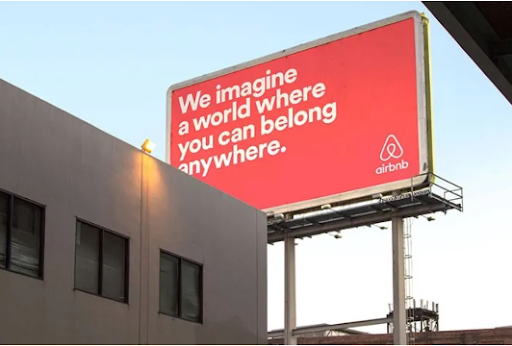
Key Marketing Strategies & Tactics in the “Belong Anywhere” Campaign
-
Storytelling and Content Marketing
Airbnb excels in telling authentic stories, and the “Belong Anywhere” campaign was no exception. The brand created emotional, impactful content, sharing real-life stories of guests and hosts from diverse backgrounds. These stories were shared across various platforms, including blogs, YouTube, and social media channels, resonating with a wide audience.
By focusing on inclusivity and personal experiences, Airbnb was able to connect with a global audience on a deep emotional level. This human-centered storytelling helped foster a sense of community among users.
-
User-Generated Content
Airbnb also encouraged its users to share their travel experiences through photos, videos, and reviews, using the hashtag #BelongAnywhere. This user-generated content helped build trust and showcased the diversity of experiences available on the platform. It also acted as free marketing, as users became brand advocates, sharing their stories with friends, family, and social media followers.
This strategy not only strengthened the campaign but also enhanced engagement, with people seeing themselves reflected in the content Airbnb shared.
-
Localized Marketing
Airbnb tailored its marketing efforts to different regions, promoting unique local experiences. The campaign emphasized that, no matter where you traveled, you could experience the local culture and feel a sense of belonging. This message resonated particularly well with younger travelers looking for authentic, immersive experiences.
By focusing on the concept of “living like a local,” Airbnb tapped into the growing trend of experiential travel, setting itself apart from traditional hotel chains.
-
Influencer Collaborations
To further amplify the message of inclusivity, Airbnb collaborated with influencers and content creators from diverse backgrounds. These influencers shared their unique stays and experiences, highlighting the diverse types of accommodations and destinations available on Airbnb.
This helped the campaign reach new audiences and reinforced the idea that Airbnb is a platform for everyone, no matter their race, ethnicity, or background.
Performance Marketing and Beyond
While the “Belong Anywhere” campaign was largely about building brand awareness, Airbnb also employed performance marketing strategies to drive bookings. By using targeted ads on social media and search engines, Airbnb reached travelers actively looking for accommodations. This combination of emotional storytelling and data-driven performance marketing helped Airbnb generate both awareness and bookings.
Social Media Strategy: Building a Sense of Community
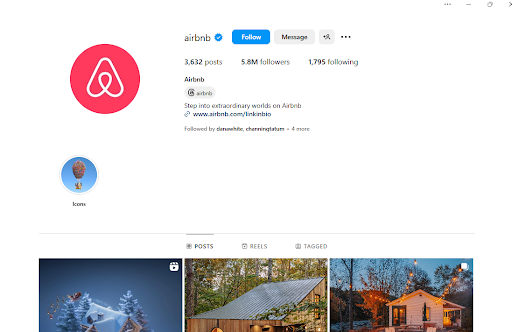
A key element of the “Belong Anywhere” campaign was its social media strategy. Airbnb used platforms like Instagram, Twitter, and TikTok to share user-generated content, influencer posts, and behind-the-scenes stories from the campaign. One notable social media initiative was the #BelongAnywhere challenge, where users were encouraged to share their unique travel stories, fostering a sense of community and engagement.
Airbnb’s social media feeds were filled with beautiful images of diverse locations and accommodations, which inspired travelers to book stays and explore new cultures.
Strategic Partnerships
Airbnb also leveraged strategic partnerships during the “Belong Anywhere” campaign. Collaborations with tourism boards, travel influencers, and even governments allowed Airbnb to offer exclusive experiences and further expand its market. These partnerships helped Airbnb align its brand with inclusivity and diversity on a larger scale.
Conclusion: Lessons from the “Belong Anywhere” Campaign
The “Belong Anywhere” campaign was a milestone for Airbnb, as it successfully positioned the brand as not just a platform for finding accommodations but as a movement promoting inclusivity, diversity, and global belonging.
Through emotional storytelling, user-generated content, and targeted marketing efforts, Airbnb built a stronger connection with its audience and reinforced its brand values.
For businesses looking to build a successful marketing strategy, Airbnb’s “Belong Anywhere” campaign serves as a powerful example of how to create meaningful, inclusive, and engaging marketing that goes beyond traditional tactics.
By focusing on personal experiences and community-building, businesses can foster deeper connections with their customers and build long-lasting brand loyalty.
-
-
ResourcesShreeram2022-08-15T15:51:43+00:00