

Introduction
Warby Parker, founded in 2010, disrupted the eyewear industry with a unique value proposition: delivering high-quality, stylish eyewear at an affordable price point. By leveraging innovative practices such as direct-to-consumer sales, an at-home try-on program, and a socially conscious “Buy a Pair, Give a Pair” initiative, Warby Parker positioned itself as a brand that combines affordability, luxury, and purpose. This case study explores how these strategies have enabled Warby Parker to carve out a unique identity in the competitive eyewear market while appealing to socially conscious, modern consumers.
Background: Challenges in the Traditional Eyewear Market
Before Warby Parker’s emergence, the eyewear industry was dominated by a few major players, most notably Luxottica, which controlled a large share of the market. This oligopolistic structure kept prices high, with markups often exceeding 1,000%. As a result, consumers were left with limited options: pay exorbitant prices for branded eyewear or settle for inexpensive but uninspired designs.
Warby Parker identified three core challenges in this market:
- High Costs: Premium eyewear was unaffordable for many consumers.
- Limited Transparency: The lack of price transparency bred consumer mistrust.
- Inconvenience: Traditional eyewear shopping required in-person visits, which could be time-consuming and intimidating.
Warby Parker’s founders saw these gaps as opportunities to redefine the eyewear experience through a direct-to-consumer model and a focus on customer-centric innovations.
“Affordable Luxury” in Eyewear
Redefining the Value Proposition
Warby Parker set out to make premium eyewear accessible by designing frames in-house, manufacturing them at scale, and selling directly to consumers through its online platform and retail stores. By eliminating middlemen, the company drastically reduced costs while maintaining quality. The result was a line of fashionable, durable eyewear starting at $95, including prescription lenses—a price point that stood in stark contrast to the $300+ average for comparable products.
The term “affordable luxury” aptly captures Warby Parker’s ethos. The brand managed to balance cost-effectiveness with a sense of exclusivity and style, offering designs that appealed to the fashion-conscious without alienating budget-minded shoppers. This approach attracted a wide demographic, from students and young professionals to established consumers seeking value without compromising aesthetics.
Elevating the Shopping Experience
Warby Parker’s branding and marketing efforts played a critical role in enhancing the perception of its products. The company invested in sleek packaging, minimalist design, and engaging storytelling to position its frames as more than just functional accessories—they became lifestyle products. Customers were drawn not only to the affordability but also to the sense of individuality and sophistication that Warby Parker frames symbolized.
Warby Parker’s Home Try-On Program: A Case Study in Redefining Customer Convenience
Introduction
Warby Parker’s Home Try-On program has been a cornerstone of the company’s success, transforming the way consumers purchase eyewear online. By allowing customers to try on frames at home before committing to a purchase, the program addresses a fundamental challenge in the e-commerce space: how to recreate the tactile, interactive experience of shopping in person. This case study explores the development, execution, and strategic impact of the Home Try-On program in removing barriers to online eyewear shopping and creating a unique customer experience.
Background: The Challenge of Selling Eyewear Online
When Warby Parker launched in 2010, selling prescription glasses online was a novel concept. Eyewear is a product that customers are accustomed to trying on, examining for fit and style, and seeking opinions before purchase. These factors made buying glasses online seem risky and impractical for most consumers.
The main challenges Warby Parker faced were:
- Fit and Style Uncertainty: Customers wanted assurance that the glasses they chose would complement their faces and fit comfortably.
- Lack of Personal Interaction: Unlike traditional optical stores, online shopping lacked the expertise and guidance of in-person opticians.
- Return Hesitations: Potential customers were deterred by the hassle of returning glasses if they weren’t satisfied.
Recognizing these obstacles, Warby Parker developed the Home Try-On program as a solution to bridge the gap between the convenience of e-commerce and the personal touch of in-store shopping.
Concept and Execution of the Home Try-On Program
How the Program Works
The Home Try-On program allows customers to select five frames from Warby Parker’s website and have them shipped directly to their home at no cost. Customers can try on the frames for five days, seek feedback from friends and family, and return the samples using a prepaid return label. Once they decide on a frame, customers can place their order online, including their prescription details, and receive their completed glasses shortly thereafter.
Removing Risk and Adding Convenience
The program’s design effectively eliminates the risks of buying glasses online:
- Risk-Free Trial: Customers incur no upfront costs, allowing them to explore their options without financial commitment.
- Comfort of Home: Trying on glasses at home provides a relaxed environment, free from the pressure of sales representatives.
- Peer Input: Customers can involve friends and family in the decision-making process, replicating the collaborative aspect of in-store shopping.

Enhancing the Customer Experience
Personalization and Accessibility
Warby Parker’s Home Try-On program is rooted in personalization. By allowing customers to choose frames that suit their preferences, the company ensures that the experience feels tailored to individual needs. The inclusion of diverse frame styles, colors, and sizes ensures accessibility for a wide range of customers.
Additionally, Warby Parker provides clear guidance throughout the process. The company’s website features tools like face shape guides and virtual try-ons that help customers narrow down their choices before ordering samples. These features complement the Home Try-On program, making it even more user-friendly.
Attention to Detail
The program emphasizes thoughtful touches to enhance customer satisfaction:
- Packaging: Frames are delivered in sleek, branded boxes that include instructions, care guides, and friendly messaging, reinforcing Warby Parker’s approachable and modern image.
- Ease of Returns: Prepaid shipping labels and clear instructions make returning the frames hassle-free, an important factor in building trust with customers.
Overcoming Initial Challenges
Logistical Complexity
Implementing the Home Try-On program required Warby Parker to address logistical challenges, including:
- Managing inventory to ensure availability of frames for try-ons.
- Streamlining shipping and returns to keep the process cost-effective.
- Maintaining cleanliness and quality of frames reused for multiple trials.
The company invested in robust supply chain management systems and efficient shipping operations to handle these complexities. Over time, it scaled the program to accommodate growing demand while maintaining a seamless customer experience.
Education and Awareness
Convincing consumers to embrace an online eyewear shopping model was another hurdle. Warby Parker used targeted marketing campaigns to educate potential customers about the simplicity and benefits of the Home Try-On program. Social media, word-of-mouth, and positive reviews played a significant role in building trust and familiarity with the concept.
Strategic Impacts of the Home Try-On Program
Building Customer Trust
The Home Try-On program establishes trust by putting the customer’s needs first. By offering a risk-free trial, Warby Parker reduces hesitations and demonstrates confidence in the quality and appeal of its products. This trust translates into higher conversion rates and repeat business.
Differentiating the Brand
The program sets Warby Parker apart in a competitive market. At a time when other eyewear brands relied heavily on in-person sales, Warby Parker redefined the shopping experience, positioning itself as a leader in innovation and customer-centricity.
Encouraging Customer Advocacy
The convenience and satisfaction of the Home Try-On program have turned customers into brand advocates. Many customers share their experiences on social media, posting pictures of themselves trying on frames and seeking opinions from their networks. This organic promotion has amplified Warby Parker’s reach and reinforced its reputation as a modern, approachable brand.
Broader Industry Implications
Warby Parker’s success with the Home Try-On program has influenced other companies to adopt similar strategies. Brands in adjacent industries, such as online apparel and beauty, have implemented at-home trial options to replicate Warby Parker’s model of removing purchase barriers and enhancing convenience. This ripple effect highlights the transformative potential of the Home Try-On concept across e-commerce.
Warby Parker’s “Buy a Pair, Give a Pair” Program: A Case Study in Social Impact
Introduction
Warby Parker’s “Buy a Pair, Give a Pair” program exemplifies the brand’s commitment to blending profit with purpose. By donating a pair of glasses to someone in need for every pair sold, Warby Parker has created a business model that aligns commerce with compassion. This initiative not only addresses the global issue of visual impairment but also strengthens the company’s brand by appealing to socially conscious consumers. This case study explores the origins, execution, and impact of the “Buy a Pair, Give a Pair” program, demonstrating how a purpose-driven mission can serve as a competitive advantage.

Background: The Global Challenge of Visual Impairment
Globally, over 2.5 billion people suffer from uncorrected vision problems, with more than 1 billion lacking access to corrective eyewear. This issue disproportionately affects individuals in low-income communities, where a lack of affordable glasses can hinder education, employment opportunities, and overall quality of life. Warby Parker’s founders recognized this as a significant global problem that aligned with their goal of democratizing access to eyewear.
From its inception, the company sought to address this issue not as an afterthought but as a core aspect of its business model.
The Genesis of the Program
Integrating Social Impact with Business
The “Buy a Pair, Give a Pair” program was inspired by the founders’ belief that businesses could be a force for good. Rather than relying on one-time donations or isolated philanthropic efforts, they integrated the program into Warby Parker’s DNA. For every pair of glasses sold, the company ensures that an equivalent pair is distributed to someone in need through partnerships with nonprofit organizations.
Collaboration with Partners
Warby Parker doesn’t donate glasses directly to individuals. Instead, it partners with organizations such as VisionSpring, which works to train locals in underserved communities to provide basic vision screenings and sell affordable glasses. This approach not only addresses immediate needs but also fosters sustainable economic development, empowering communities to build long-term solutions.

Execution of the “Buy a Pair, Give a Pair” Program
Scaling Impact
As Warby Parker’s sales have grown, so has the reach of its social impact. To date, the program has donated over 10 million pairs of glasses worldwide. Each donated pair is carefully tailored to meet the needs of the community it serves, ensuring that the distribution model is both efficient and effective.
Empowering Local Economies
A unique aspect of the program is its emphasis on empowering local economies. Instead of simply giving away glasses, Warby Parker’s nonprofit partners train individuals to become vision entrepreneurs. These entrepreneurs provide vision care and sell glasses at affordable prices, creating a ripple effect of economic and social benefits. This model ensures that the impact is not just charitable but also sustainable.
Building a Purpose-Driven Brand
Strengthening Brand Loyalty
The “Buy a Pair, Give a Pair” program resonates deeply with Warby Parker’s customer base, which skews toward socially conscious millennials and Gen Z. Consumers feel that their purchases contribute to a meaningful cause, turning shopping into an act of altruism. This emotional connection fosters loyalty, as customers are more likely to support a brand that reflects their values.
Differentiation in a Competitive Market
The eyewear market is highly competitive, with numerous players vying for attention. Warby Parker’s commitment to social impact sets it apart from competitors, making it a brand of choice for ethically minded consumers. The program also enhances the company’s storytelling, giving it a narrative that extends beyond product quality and price.
Challenges and Adaptations
Balancing Profitability and Philanthropy
One challenge Warby Parker has faced is balancing the costs of the program with its commitment to affordability. The company mitigates this by leveraging economies of scale, ensuring that the program remains financially viable as the business grows.
Ensuring Impact Transparency
In an era where consumers demand accountability, Warby Parker has worked to maintain transparency about its program’s impact. The company regularly shares updates on the number of glasses distributed and the lives improved, reinforcing its credibility and strengthening consumer trust.
Strategic and Societal Impact
Amplifying Social Good
The “Buy a Pair, Give a Pair” program has significantly contributed to reducing the global burden of uncorrected vision. Beyond the immediate benefits of improved sight, the program has enabled children to succeed in school, adults to secure better jobs, and communities to thrive.
Inspiring Industry Change
Warby Parker’s success has inspired other companies to adopt similar social responsibility initiatives. By proving that a mission-driven approach can coexist with profitability, Warby Parker has set a precedent for businesses to integrate purpose into their core operations.
Long-Term Benefits of the Program
Customer Advocacy
Warby Parker’s social impact initiatives encourage customers to become brand ambassadors, sharing the company’s mission and promoting its products. This organic advocacy amplifies the brand’s reach and reinforces its reputation.
Employee Engagement
The program also bolsters employee morale and retention. Team members take pride in working for a company that prioritizes making a difference, creating a culture of purpose and alignment.
Sustainable Growth
As Warby Parker continues to expand, the “Buy a Pair, Give a Pair” program ensures that its growth is accompanied by a proportional increase in social impact. This symbiotic relationship between profit and purpose positions the company for long-term success.
Conclusion
Warby Parker’s Home Try-On program exemplifies how a customer-focused innovation can transform an entire industry. By addressing the core challenges of online eyewear shopping—fit, style, and convenience—the program has redefined the customer experience, turning an inherent risk into a competitive advantage. Its success has not only fueled Warby Parker’s growth but also set a new standard for blending e-commerce convenience with personalized service. As a case study in innovation, the Home Try-On program demonstrates the power of understanding and meeting consumer needs in creative, impactful ways.
Warby Parker’s “Buy a Pair, Give a Pair” program is a shining example of how businesses can align profitability with purpose. By addressing a critical global issue while engaging customers in its mission, Warby Parker has built a brand that transcends eyewear, representing innovation, compassion, and impact. This initiative not only drives customer loyalty but also demonstrates the power of integrating social responsibility into a company’s core strategy. Through programs like this, Warby Parker has shown that doing good can be good for business, inspiring a new generation of purpose-driven enterprises.
Warby Parker’s rise as a leader in the eyewear market highlights the power of aligning innovation, affordability, and social impact. Through its Home Try-On program, the company removed the friction of online shopping, while its “Buy a Pair, Give a Pair” initiative solidified its position as a purpose-driven brand. By delivering “affordable luxury” and a meaningful shopping experience, Warby Parker not only disrupted an industry but also set a benchmark for modern consumer brands. Its success serves as a testament to the viability of combining business excellence with a commitment to making a positive societal impact.
-

Introduction
Tesla Inc., a pioneer in electric vehicles (EVs), has revolutionised the automotive and energy sectors by embedding “disruption” and “innovation” as core brand pillars. Under the leadership of CEO Elon Musk, Tesla has transcended traditional automaking, positioning itself as a technology and sustainability leader. This case study examines Tesla’s groundbreaking direct-to-consumer sales model and the impact of Elon Musk’s personal brand in creating an unparalleled consumer experience and a cult-like following for the company.
Tesla’s Direct-to-Consumer Sales Model: A Case Study in Disruption
Tesla’s direct-to-consumer (DTC) sales model is a cornerstone of its brand strategy, embodying its ethos of disruption and customer-centric innovation. By bypassing the traditional dealership model, Tesla has not only redefined how cars are sold but also how customers engage with a brand. This case study explores the rationale, execution, and impact of Tesla’s DTC model on the automotive industry and consumer behavior.
Background: The Traditional Dealership Model
For decades, car manufacturers have relied on third-party dealerships for vehicle sales and distribution. This model, rooted in geographic convenience and local sales expertise, often fragmented the customer experience. Consumers faced challenges such as:
- Price Negotiation Pressure: A lack of standardised pricing often left buyers wary of overpaying.
- Inconsistent Brand Representation: Dealerships, operating independently, sometimes failed to accurately represent a brand’s vision and values.
- Limited Customization Options: Dealers typically stocked vehicles based on regional demand, limiting options for customers seeking personalised configurations.
This fragmented system, while effective for mass-market distribution, lacked the streamlined, customer-focused approach that modern buyers increasingly expect. Tesla identified these pain points as opportunities for innovation.
Tesla’s Direct-to-Consumer Sales Model
Concept and Execution
Tesla’s DTC model removes the intermediary dealership, allowing the company to control every aspect of the sales process. This approach integrates physical Tesla stores with an advanced online platform, creating a cohesive omnichannel experience. Customers can explore, configure, and purchase Tesla vehicles entirely online or with assistance from Tesla representatives at brand-owned locations.
Key Features of the Model:
- Fixed, Transparent Pricing: Tesla offers a non-negotiable pricing structure, ensuring fairness and eliminating the stress of haggling.
- Seamless Digital Integration: Customers can browse Tesla’s website, customize their vehicle, place an order, and arrange for delivery without visiting a showroom.
- Tesla Stores and Galleries: Strategically located in high-traffic urban areas, these stores focus on educating consumers about Tesla products rather than pressuring them to buy. Unlike dealerships, Tesla stores are owned and operated by the company, ensuring a consistent brand experience.
- Factory-to-Doorstep Delivery: After purchasing, customers can choose to have their vehicles delivered directly to their homes, bypassing the need to visit a dealership.
Unique Buying Experience
Tesla’s sales model emphasises simplicity and empowerment, transforming the car-buying process into an enjoyable experience. Instead of traditional hard-selling tactics, Tesla prioritises:
- Education over Salesmanship: Showroom staff focus on explaining Tesla’s technology and mission, creating a consultative rather than transactional environment.
- Customer-Centric Customization: Buyers can configure their vehicle’s specifications online, from battery range to interior finishes, ensuring that every Tesla matches the owner’s preferences.
- Over-the-Air Updates: Unlike traditional automakers, Tesla treats its cars as evolving products. Post-purchase, vehicles receive software updates that enhance performance, safety, and features, adding ongoing value for the customer.
This approach resonates strongly with tech-savvy consumers who appreciate convenience, innovation, and a tailored experience.
Challenges and Legal Battles
Tesla’s DTC model has faced significant resistance, particularly in the United States, where state franchise laws often protect traditional dealerships. These laws, designed to prevent automakers from competing directly with their own dealers, have restricted Tesla from selling vehicles in certain states or required workarounds, such as delivering cars from out-of-state locations.
Overcoming Barriers
Tesla has actively lobbied for changes to these laws while leveraging its online platform to continue sales where physical locations are restricted. This persistence highlights Tesla’s commitment to its DTC model, further reinforcing its reputation as a disruptor willing to challenge entrenched norms.
Strategic Impact on Tesla’s Brand
Strengthening Brand Control
By owning the entire sales process, Tesla ensures a consistent and premium brand experience across every customer touchpoint. This control enables Tesla to:
- Maintain its minimalist, futuristic aesthetic in showrooms.
- Communicate its sustainability and innovation-driven values directly to customers.
- Avoid conflicts of interest that might arise from dealers prioritising higher-margin vehicles over Tesla’s long-term brand strategy.
Boosting Customer Loyalty
Tesla’s transparent pricing and personalised service foster trust and loyalty. Customers feel confident they are receiving a fair deal while engaging with a brand that prioritises their needs.
Broader Industry Implications
Setting a New Standard
Tesla’s success with the DTC model has inspired other automakers to reconsider their reliance on dealership networks. Companies like Rivian and Lucid Motors have adopted similar approaches, while legacy brands like Ford and GM are experimenting with direct sales for electric vehicle lines.
Disrupting Consumer Expectations
By removing friction points in the buying process, Tesla has raised the bar for customer expectations. Today’s car buyers increasingly seek simplicity, transparency, and digital integration—qualities championed by Tesla.
Elon Musk’s Personal Brand: Cultivating a Visionary Persona to Drive Tesla’s Success
Introduction
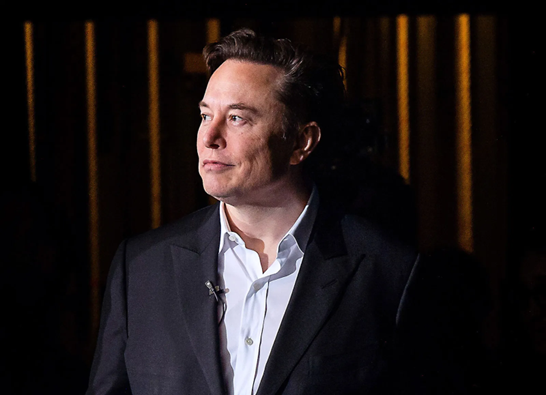
Elon Musk’s personal brand is inseparable from Tesla’s identity, representing the confluence of bold vision, relentless ambition, and unconventional communication. Through his charismatic leadership and influential social media presence, Musk has not only built Tesla into a global automotive and technology leader but has also cultivated a fervent community of supporters and customers. This case study delves into how Musk’s persona shapes Tesla’s brand, engages audiences, and fosters a loyal, cult-like following.
Background: Elon Musk’s Emergence as a Visionary Leader
Musk’s career trajectory—from co-founding PayPal to leading companies like SpaceX, Neuralink, and The Boring Company—has established him as a symbol of audacious innovation. His ability to tackle seemingly impossible challenges, such as transitioning the world to sustainable energy or colonising Mars, lends him credibility as a visionary.
For Tesla, Musk’s personal mission aligns perfectly with the company’s goal of accelerating the global shift toward sustainable energy. This alignment allows Musk to act as the ultimate brand ambassador, embodying Tesla’s core values of innovation, disruption, and sustainability.
Building the Visionary Persona
Bold, Mission-Driven Leadership
Musk has consistently communicated Tesla’s mission as more than just manufacturing cars but rather as a critical step toward saving humanity from environmental catastrophe. Statements such as “We are solving climate change” elevate Tesla’s products from commodities to instruments of global change. This narrative appeals to customers who want to be part of a movement larger than themselves.
Relentless Innovation and Risk-Taking
Musk’s willingness to take risks and push boundaries has become a defining feature of his persona. From unveiling radical designs like the Cybertruck to promising groundbreaking technologies such as Full Self-Driving (FSD), Musk creates excitement and intrigue. While some promises face delays, Musk’s ability to present these innovations as inevitable inspires confidence in Tesla’s potential.
Social Media as a Strategic Tool
Direct Engagement with Followers
Musk leverages platforms like X (formerly Twitter) as his primary means of communication, bypassing traditional media channels. Through his social media posts, Musk directly addresses Tesla customers, fans, and critics, creating a sense of accessibility and transparency.

Key aspects of Musk’s social media strategy include:
- Announcements and Teasers: Musk uses cryptic tweets to hint at upcoming Tesla projects, building anticipation and sparking online discussions. For example, the viral hype surrounding the “Cybertruck unveil” was largely driven by Musk’s playful, enigmatic posts.
- Customer Interaction: Musk often responds to customer questions, complaints, and suggestions, fostering a sense of community and shared ownership in Tesla’s journey.
- Humor and Relatability: Musk’s unconventional humor and willingness to engage in memes make him relatable to Tesla’s younger, tech-savvy audience, further solidifying his cult-like appeal.
Amplifying Tesla’s Reach Without Advertising
Tesla famously spends little on traditional advertising, relying instead on Musk’s social media influence. His posts frequently trend, reaching millions of people without any expenditure. This organic marketing approach not only saves Tesla money but also enhances the authenticity of its brand message.

Cultivating a Cult-Like Following
Building an Emotional Connection
Musk’s visionary goals, combined with his direct engagement, foster emotional investment from Tesla’s community. Fans view Musk as a heroic figure battling entrenched industries and global challenges, inspiring loyalty and advocacy.
Mobilising Brand Ambassadors
Tesla’s passionate fan base often acts as unpaid brand ambassadors, defending the company online, promoting its products, and even organizing grassroots events. Musk’s persona acts as the unifying force behind this community, creating an “us versus the world” mentality that strengthens allegiance.
Influencing Tesla’s Stock Price
Musk’s tweets and public statements frequently influence Tesla’s stock price, reflecting the deep connection between his personal brand and the company’s market performance. While this connection can be volatile, it underscores Musk’s outsized role in shaping Tesla’s perception among investors and consumers.
Challenges and Controversies
While Musk’s personal brand has been a powerful asset, it has also been a source of occasional controversy:
- Market Volatility: Musk’s tweets, such as the infamous “funding secured” post, have led to regulatory scrutiny and stock price fluctuations.
- Polarizing Persona: Musk’s outspoken and sometimes contentious opinions can alienate certain audiences, creating challenges for Tesla’s broader appeal.
- Reliance on Musk: Tesla’s heavy reliance on Musk’s personal brand raises concerns about sustainability should Musk reduce his involvement or step away from the company.
Despite these challenges, Musk’s ability to navigate crises and maintain public interest has ensured that Tesla continues to thrive.
Strategic Impacts on Tesla’s Brand
Reinforcing Innovation and Disruption
Musk’s persona amplifies Tesla’s positioning as a disruptor in the automotive and energy sectors. His ambitious promises and visionary projects consistently reinforce Tesla’s image as a pioneer.
Attracting Top Talent
Tesla’s association with Musk attracts engineers, designers, and innovators who are eager to work under his leadership, ensuring that Tesla continues to push the boundaries of what’s possible.
Building Long-Term Loyalty
Musk’s direct connection with customers fosters loyalty beyond Tesla’s products. Fans and customers often see themselves as part of Musk’s broader mission, creating a community that transcends traditional consumer-brand relationships.
Conclusion
Tesla’s direct-to-consumer sales model exemplifies how innovation and disruption can redefine industry standards. By prioritizing transparency, convenience, and a customer-first approach, Tesla has created a buying experience that aligns with the needs of modern consumers. Despite challenges, its model continues to influence the automotive sector, positioning Tesla not only as a leader in electric vehicles but also as a pioneer in customer-centric business practices.
Elon Musk’s personal brand is one of Tesla’s most valuable assets, blending visionary leadership with a direct, unfiltered connection to the public. His ability to inspire, engage, and mobilize a passionate following has transformed Tesla from a car manufacturer into a cultural phenomenon. While challenges remain, Musk’s ongoing influence ensures that Tesla remains at the forefront of innovation, disruption, and global change. Through his personal brand, Musk has not only shaped Tesla’s identity but has also redefined what it means to lead a modern company in the age of social media and mission-driven businesses.
-

Overview
Volvo is globally recognized as a leader in automotive safety, a reputation it has meticulously built over decades by prioritising safety innovations. The company has successfully differentiated itself in the competitive automotive market by leveraging a safety-first philosophy. Two pivotal campaigns, “The Volvo Saved My Life Club” and “The E.V.A. Initiative” (Equal Vehicles for All), embodies Volvo’s brand commitment and plays significant roles in cementing its image as the safest car brand in the world.
This case study examines how Volvo has strategically used these campaigns to build brand equity, enhance customer loyalty, and position itself as a social leader in automotive safety.
Background on Volvo’s Brand Value: Safety
Since its inception in 1927, Volvo has pursued a safety-focused approach, continually advancing automotive safety technology. Volvo’s innovations include the three-point seat belt in 1959, which the company shared as open-source, setting a precedent for putting human life and safety above profit. Over the years, Volvo has embedded safety into its corporate ethos, advancing protective features in crash prevention, impact absorption, and driver assistance systems. Volvo’s safety-centric brand identity has consistently set it apart from competitors, enabling it to maintain a loyal consumer base that values the brand’s promise of safety.
The Volvo Saved My Life Club: Reinforcing Volvo’s Reputation for Safety
The Volvo Saved My Life Club is a powerful and emotive campaign designed to showcase real-life survival stories from Volvo owners. This unique initiative allows individuals who have experienced life-threatening accidents to share how Volvo’s safety features helped protect them. Through these heartfelt testimonials, Volvo effectively reinforces its identity as the safest car brand and positions itself as a life-saving choice for families, safety-conscious drivers, and communities. The club not only reflects Volvo’s commitment to safety but also deepens brand loyalty and emotional connection with its audience.
1. Concept and Purpose
The Volvo Saved My Life Club was created to bring Volvo’s brand promise of safety to life through the authentic voices of its customers. Rather than relying on technical jargon or solely focusing on crash-test ratings, Volvo chose to highlight the impact of its safety features in real-life situations. Each story in the club serves as a living testament to Volvo’s dedication to protecting lives, adding human context to the brand’s safety claims.
Primary Goals:
- Humanise the Brand’s Safety Message: Transform safety features from technical specifics into relatable, real-world benefits.
- Build Trust and Credibility: Real stories from real people lend authenticity, helping customers trust in Volvo’s safety commitment.
- Foster Emotional Engagement: By presenting stories of survival, the campaign appeals to customers on an emotional level, making safety a core value that resonates deeply.
2. Structure and Elements of the Campaign
The Volvo Saved My Life Club campaign is structured to maximise emotional impact and visibility, with various elements designed to create a community atmosphere and facilitate sharing across platforms.
Real-Life Testimonies
The heart of the campaign lies in the individual stories of Volvo owners who survived accidents that could have had fatal outcomes. Each story recounts personal experiences, providing context around the accident, how Volvo’s safety features played a role, and the impact of the event on the person and their families. These testimonials often focus on features such as:
- Crumple Zones: Structural elements designed to absorb impact, reducing the force felt by passengers.
- Airbags and Seatbelts: Proven lifesavers, these standard features are finely tuned in Volvo vehicles to provide enhanced protection.
- Roll Stability Control and Side Impact Protection System: Features specifically designed to prevent and mitigate rollover or side impacts.
- Driver Assistance and Collision Avoidance Systems: Advanced systems that alert drivers to hazards and, in some cases, automatically intervene to avoid crashes.
Each story amplifies Volvo’s brand message by demonstrating how these safety innovations protected real individuals, transforming technical specs into lived experiences.
Video and Social Media Content
The stories are often shared via video format to bring the emotional weight of each testimony to life. Volvo creates high-quality videos that feature the survivors recounting their accidents, alongside imagery of the impacted vehicle and reenactments of the incident. These videos are shared widely on platforms such as YouTube, Facebook, and Instagram, reaching millions of viewers and making it easy for customers to engage, comment, and share.
- Emotional Visual Storytelling: The videos use emotional storytelling techniques to convey the severity of the accidents and the relief of survival, making each story memorable and impactful.
- Social Media Amplification: Volvo’s social media presence allows these stories to gain organic reach, with users sharing the videos and expressing admiration for Volvo’s commitment to safety.
Website and Club Membership
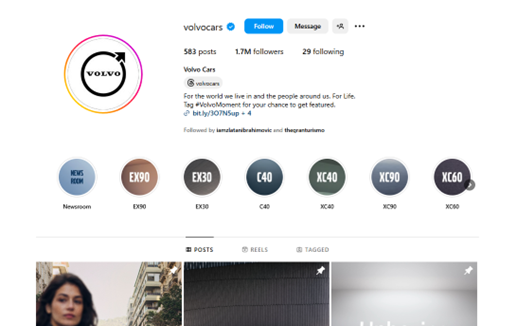
The Volvo Saved My Life Club has a dedicated section on Volvo’s website, where individuals can read and watch survivor stories. It serves as a platform to:
- Share New Survival Stories: Volvo encourages new members to join and share their own experiences, helping to keep the campaign fresh and growing.
- Create a Community of Survivors and Supporters: Members can feel part of a community with a shared experience, reinforcing the bond with the Volvo brand.
- Highlight Specific Safety Features: Each story often mentions the specific safety technologies that played a role, educating potential customers about the features available in Volvo cars.
Traditional Media and PR Campaigns
Volvo has extended the campaign’s reach by securing traditional media coverage. Articles, interviews, and news stories feature these survival narratives, increasing Volvo’s visibility and building credibility with a broader audience.
- Earned Media: The emotionally compelling nature of these stories often attracts coverage from major news outlets, which brings Volvo’s brand message to a wider audience without additional advertising costs.
- Press Events: Volvo occasionally hosts events or press releases around particularly noteworthy stories, which further elevates the campaign’s impact.
3. Strategic Impact of the Volvo Saved My Life Club
The Volvo Saved My Life Club achieves several key marketing and brand positioning goals for Volvo:
Building Trust and Brand Loyalty
By sharing real-life survival stories, Volvo positions itself as a brand that genuinely prioritises customer safety. This authenticity builds trust, as customers feel confident that Volvo’s safety features are proven to work in real-world scenarios. When a brand can back its claims with personal accounts, it naturally strengthens customer loyalty.
Humanising Technology
Volvo’s safety features could be communicated in terms of technical specifications alone, but personal stories make them more relatable. For instance, rather than listing features like advanced airbags, Volvo emphasises the lives these technologies have saved. This approach resonates strongly with customers who prioritise family safety, making Volvo’s commitment more memorable.
Creating Emotional Connections with Potential Customers
The stories in the Volvo Saved My Life Club evoke powerful emotions—relief, gratitude, and resilience—which potential customers can connect to their own lives. They may imagine the role these safety features could play in protecting themselves and their loved ones. By tapping into this emotional resonance, Volvo builds a more profound connection with prospective buyers.
Organic Word-of-Mouth and Brand Advocacy
The campaign’s authentic storytelling leads to organic promotion, as people share the stories on social media, talk about them with friends, and view Volvo as more than just a car brand. These personal testimonies serve as powerful word-of-mouth endorsements, encouraging new customers to choose Volvo because of its proven record in safety.
Strengthening Brand Consistency
Volvo has maintained its safety-first message for decades. By continually reinforcing this theme through real-world applications, Volvo keeps its brand message consistent. This consistency has helped Volvo establish itself as a top-of-mind choice for safety-conscious buyers, contributing to long-term brand equity.
4. Broader Marketing and Societal Impact
Advancing Public Conversations on Automotive Safety
The Volvo Saved My Life Club draws attention to the importance of vehicle safety standards. It raises public awareness about the critical need for effective safety measures, which not only influences customer expectations but also pressures the industry to prioritise safety.
Elevating Volvo’s Corporate Social Responsibility
By framing its vehicles as tools for saving lives, Volvo strengthens its commitment to social responsibility. This stance appeals to modern, socially conscious consumers who value companies that prioritise ethical practices and public well-being over mere profitability.
Sustaining Volvo’s Position as a Safety Leader
The campaign solidifies Volvo’s reputation as the “safest car brand” by directly demonstrating the efficacy of its safety features. Volvo’s strategic choice to highlight real-life scenarios distinguishes it from competitors who may rely solely on data and crash tests to prove safety, offering Volvo a unique and compelling advantage.
5. Long-Term Benefits of the Volvo Saved My Life Club
The Volvo Saved My Life Club is more than a short-term campaign; it’s a strategic asset that reinforces Volvo’s safety message over time, with several lasting benefits:
- Brand Loyalty and Customer Retention: Existing customers feel reassured in their decision to drive a Volvo, and their loyalty is likely to deepen. Many members of the Volvo Saved My Life Club may remain lifelong customers.
- Market Differentiation: The campaign highlights a unique selling point that is difficult for competitors to replicate with the same authenticity and emotional impact.
- Increased Brand Advocacy: Members of the club are likely to advocate for Volvo, becoming brand ambassadors who share their stories and encourage others to consider Volvo as a safer alternative.
The E.V.A. Initiative: Volvo’s Groundbreaking Move to Improve Car Safety for All
The E.V.A. (Equal Vehicles for All) Initiative is a pioneering safety campaign by Volvo that sets new industry standards by openly sharing four decades of crash-test data with the public. Launched in 2019, the initiative addresses a critical gap in automotive safety: gender disparities in crash protection. Research has shown that women, due to physiological differences, face a higher risk of injury in car accidents compared to men. With E.V.A., Volvo highlights these disparities and works toward a solution, aiming to make vehicles safer for everyone, regardless of gender or body type. By sharing its proprietary research, Volvo positions itself as a responsible and innovative leader in automotive safety.
1. The Concept and Purpose of the E.V.A. Initiative
Volvo initiated E.V.A. to address a persistent industry-wide problem: traditional crash-test dummies and automotive safety designs are based predominantly on male physiology. This design bias results in a greater likelihood of injury for women, as well as for individuals who do not fit the “average male” build. Recognizing this gap, Volvo analysed its safety data and found that women are more likely to suffer whiplash and other severe injuries in certain crash situations.

Primary Goals of E.V.A.:
- Promote Safety Equality: Ensure that all individuals, regardless of gender, are equally protected in vehicle crashes.
- Advance Industry Standards: Encourage other automakers to adopt more inclusive safety testing by sharing valuable research and insights.
- Demonstrate Corporate Responsibility: Show that Volvo values safety innovation for the public good over competition, underscoring its commitment to safety leadership and ethical practices.
2. Structure and Elements of the E.V.A. Campaign
The E.V.A. Initiative is built on Volvo’s data-driven approach to safety, combined with a transparent, industry-wide call to action. Volvo’s communication strategy emphasises the urgent need for equitable safety standards, with specific focus areas that highlight gender-based safety concerns and encourage collaboration across the industry.
Data Transparency and Open Access
Volvo’s decision to make its data openly accessible was unprecedented in the automotive industry. Through E.V.A., Volvo shared over 40 years of research on crash tests, which included insights into injury patterns across genders and various body types.
- Comprehensive Data Library: The E.V.A. The database includes data from over 40,000 accidents and more than 100 injury cases, offering an invaluable resource for engineers and researchers to understand the varied impact of crashes on different body types.
- Encouragement of Industry Collaboration: By making its research available to all automakers, Volvo invited the entire automotive industry to join the conversation, signalling that safety should be a collective mission rather than a competitive advantage.
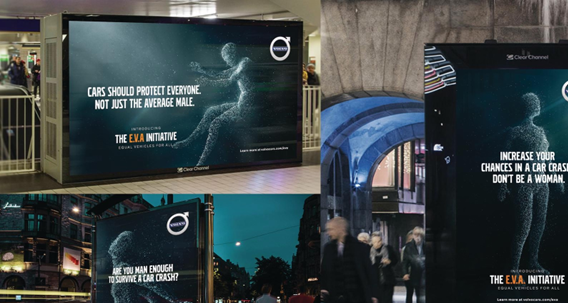
Addressing Gender Inequality in Safety
The E.V.A. Initiative specifically focuses on gender disparities in safety, which have often been overlooked in the automotive industry. Studies show that women are 47% more likely to be seriously injured and 17% more likely to die in a car crash than men, largely due to anatomical differences and the fact that crash dummies are typically based on average male anatomy.
- Highlighting Physiological Differences: Volvo’s research explores how differences in body structure affect the way men and women are impacted in crashes. This includes variations in muscle and tissue density, neck strength, and body mass distribution, which can result in different injury patterns.
- Innovative Safety Designs for All Genders: Volvo’s approach in addressing these differences has led to the design of safety features that account for a broader range of body types, including redesigned airbags, seat belts, and head restraints that can better protect women and other vulnerable groups in crashes.
Public Awareness Campaigns
Volvo’s E.V.A. Initiative also involves extensive public awareness efforts, drawing attention to the issue of gender-based safety inequality through compelling storytelling and factual data. Volvo utilised various media formats to reach a global audience, from social media and video content to press releases and interviews.
- Documentaries and Video Campaigns: Volvo released a series of videos and short documentaries to explain the importance of inclusive safety standards. These videos highlight real-life stories of women impacted by car crashes, underscoring the urgent need for change.
- Social Media and Online Presence: Volvo leveraged social media platforms to share facts, statistics, and testimonials from experts and crash survivors, sparking public discourse and increasing consumer awareness about safety inequality.
- Engaging Website Hub: The E.V.A. Initiative has a dedicated section on Volvo’s website where visitors can access research data, view case studies, and learn more about the company’s approach to inclusive safety. This digital hub serves as both an educational tool and a call to action for industry-wide change.
Cross-Industry Collaboration and CSR Impact
The E.V.A. Initiative is also a Corporate Social Responsibility (CSR) strategy that emphasises Volvo’s commitment to social welfare over profit. By challenging industry norms and providing free access to valuable safety data, Volvo calls on competitors to adopt safer, more inclusive designs.
- Setting a Benchmark for CSR in Automotive Safety: Volvo’s initiative set a new standard for transparency and ethical leadership in the industry. Its decision to prioritise public safety over proprietary advantage has established Volvo as a model of corporate responsibility.
- Cross-Industry Influence: E.V.A. has encouraged other automakers to reconsider their approach to crash safety, signalling that inclusivity in design should be an industry-wide responsibility. Volvo’s collaborative stance positions it as a thought leader, reinforcing its role as a force for positive change.
3. Strategic Impact of the E.V.A. Initiative on Brand Positioning
The E.V.A. Initiative has had a significant impact on Volvo’s brand positioning, enabling it to distinguish itself from competitors through a commitment to safety, equality, and ethical practices.
Strengthening Volvo’s Brand Identity as the Safest Car Brand
Volvo has long been recognized for its dedication to safety. E.V.A. strengthens this perception by addressing a gap in safety standards and taking action to protect more lives. By advocating for equal protection, Volvo reinforces its promise to create the safest cars possible, further solidifying its brand identity.
Building Trust Through Transparency
In an era when customers are increasingly critical of corporate practices, Volvo’s decision to openly share data signals a high level of transparency and integrity. This move has built consumer trust, as customers appreciate that Volvo values public safety over competitive secrecy.
Appealing to Socially Conscious Consumers
Today’s consumers often prefer brands that align with their personal values. The E.V.A. Initiative appeals to ethically minded customers who support companies that take an active role in social issues. By addressing gender inequality in safety, Volvo connects with consumers who prioritise ethics, safety, and responsibility in their purchasing decisions.
Differentiating Through Social Impact and Ethical Leadership
In a competitive automotive market, Volvo’s commitment to safety innovation and ethical leadership sets it apart. While other brands may promote safety as a feature, Volvo’s E.V.A. Initiative communicates safety as a mission. This distinction gives Volvo a unique edge, positioning it as a purpose-driven brand rather than just a car manufacturer.
- Broader Marketing and Societal Implications
Increasing Public Awareness of Gender Disparities in Vehicle Safety
The E.V.A. Initiative has raised awareness of the gender disparities in vehicle safety, prompting consumers to demand better protection and more inclusive design from automakers. Volvo’s campaign helps educate the public on the importance of designing vehicles that account for all body types, shaping consumer expectations and pressuring competitors to follow suit.
Influencing Policy and Industry Standards
Volvo’s data sharing and call for equal safety standards have the potential to influence regulatory bodies and encourage the development of new safety guidelines. As more people become aware of gender disparities in safety, regulators may be pushed to require more inclusive crash-test protocols, leading to industry-wide improvements in vehicle safety.
Fostering a Culture of Collaboration and Shared Responsibility
The E.V.A. Initiative emphasises a collaborative approach to innovation by sharing research that benefits the entire industry. Volvo’s willingness to share its findings encourages other companies to think beyond competition, fostering a more cooperative, safety-oriented culture within the automotive industry.
5. Long-Term Benefits of the E.V.A. Initiative
The E.V.A. Initiative is not a short-term campaign but rather a long-term investment in Volvo’s brand reputation and societal impact. The initiative provides several lasting benefits:
- Enhanced Brand Loyalty: Volvo’s dedication to inclusive safety fosters loyalty among consumers who see Volvo as a company that genuinely cares about public well-being.
- Increased Brand Equity: E.V.A. has elevated Volvo’s brand equity by associating it with ethical leadership and groundbreaking safety innovation.
- Sustained Differentiation from Competitors: Volvo’s commitment to shared data and safety equality sets it apart from other automakers, establishing Volvo as a leader in ethical business practices and safety technology.
- Positive Social Impact and Industry Influence: By addressing an overlooked issue in automotive safety, Volvo has created a ripple effect that could lead to safer vehicles across the industry, ultimately reducing injuries and saving lives.
Conclusion
The Volvo Saved My Life Club exemplifies Volvo’s dedication to promoting safety as a core brand value. By giving a voice to customers whose lives were saved, Volvo transforms a technical selling point into a deeply emotional and impactful message. This initiative has successfully reinforced Volvo’s reputation as the leader in automotive safety, creating a powerful brand asset that resonates with current and future customers alike. Through these genuine and moving stories, Volvo has not only showcased the effectiveness of its safety features but also strengthened its brand loyalty, enhanced its position in the automotive market, and set a benchmark in consumer-centred marketing
The E.V.A. Initiative represents a transformative moment in automotive safety, reinforcing Volvo’s position as a leader in innovation and ethical responsibility. By addressing gender disparities in crash safety and openly sharing its research, Volvo highlights an important societal issue and encourages industry-wide change. This groundbreaking initiative has not only strengthened Volvo’s brand identity as the safest car brand but has also set a new standard for transparency, ethics, and inclusivity in the automotive world.
Through E.V.A., Volvo has demonstrated that safety is not just a feature—it’s a mission that drives the company’s values and long-term strategy. By prioritising human well-being over competition
-
ResourcesShreeram2022-08-15T15:51:43+00:00